
Home Inspection Checklist for Nashville Buyers
A home inspection is the buyer's look at condition, usually your choice, not the lender's. Walk the exterior, interior, and systems, and hire a specialist if the report flags foundation, roof rot, or pests.
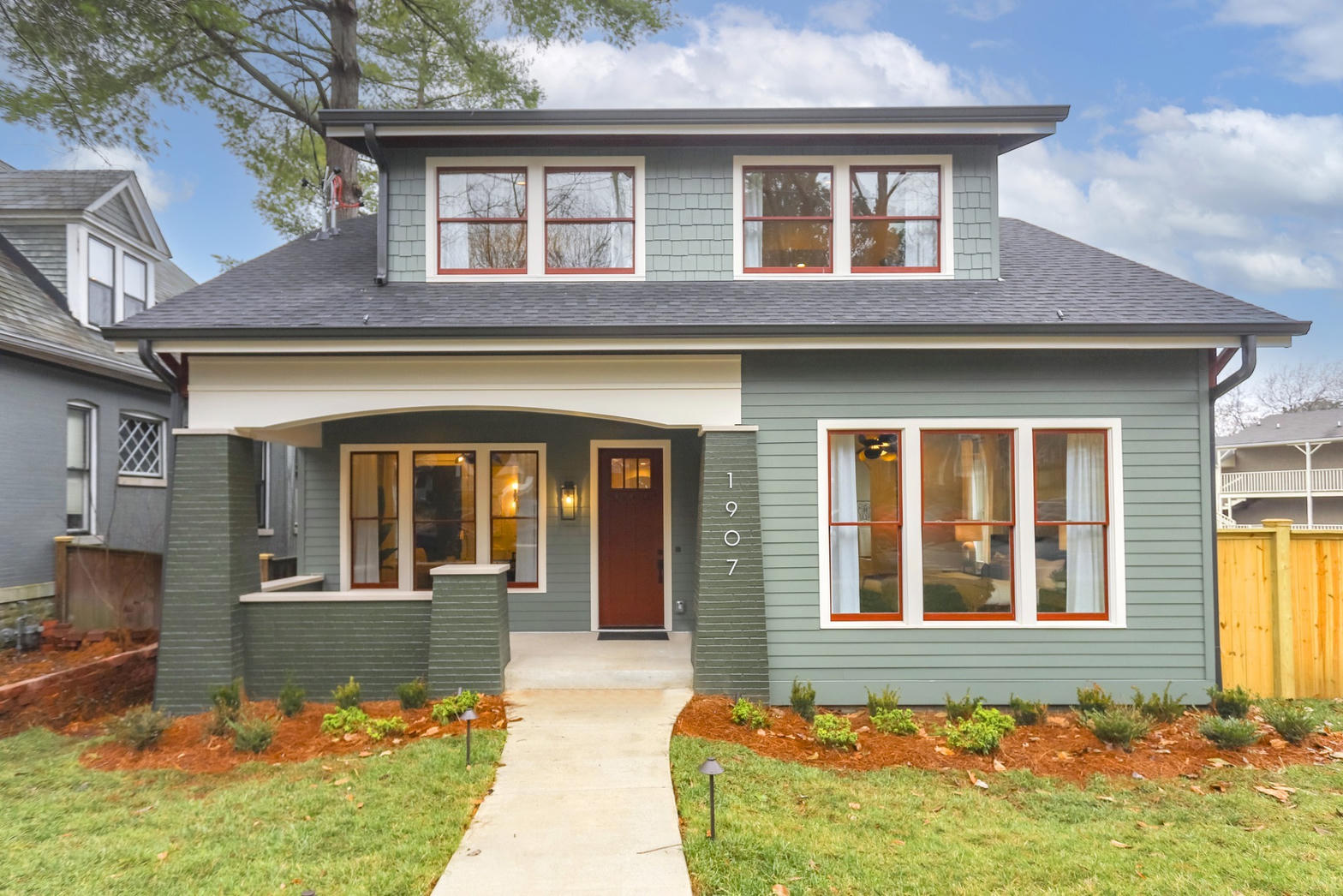
The inspector works for you. The appraiser works for the loan. If you skip the inspection to win a Franklin listing, name that risk out loud before you write. A pretty showing does not tell you what is happening in the crawlspace.
This is not the appraisal
The CFPB puts it plainly: a home inspection is different from an appraisal, and you generally need both. Inspections are for your protection. The inspector is accountable to you, not to the listing photos.
Usually it is your choice, not the lender's. Some loan types and older houses make skipping it a bad idea. If major repairs show up, the lender may still require work before closing or money held in escrow. That is a loan conversation after the report, not a reason to skip the report.
Walk the exterior first
You do not need to be a contractor. You do need to look. The inspector should, and you should walk with them if you can.
- Foundation cracks at the corners and near the garage. Large or widening cracks are not a paint problem.
- Grading. Water should slope away from the house, not toward the crawlspace.
- Roof from the ground: missing or damaged shingles, sagging lines, patched valleys.
- Gutters attached and draining away from the foundation.
- Sagging porches or decks. Ask what is holding them up.
- Driveways, sidewalks, and retaining walls. Tennessee winters chew on those.
Then the interior, attic, and crawlspace
Middle Tennessee humidity is not a rumor. Moisture is the story a lot of older houses try to hide with a fresh coat of paint.
- Open closets, including under-stair closets. Look for stains and soft spots.
- Attic: leaks, insulation gaps, bathroom-fan ducts that dump into the attic instead of outside.
- Uneven floors, bowed walls, cracks around door frames. That can be normal settling. It can also be movement.
- Basement or crawlspace: moisture, stains, mold, standing water, rusted HVAC stands.
- Evidence of past water events and what, if anything, was actually repaired.
Systems and the things that stay
Age matters. An HVAC that "still works" but is past a normal life is a replacement you are buying with the house.
- Electrical panel, breakers, and a sample of outlets and switches. Old wiring and overloaded panels are safety issues.
- Main plumbing shutoff. Know where it is. Check sinks, tubs, and visible pipes for leaks.
- HVAC: run it, note the age, ask for maintenance records if the seller has them.
- Appliances that convey. If it stays, it should work.
- Fireplace and chimney. Visible problems now beat a surprise in December.
When the general inspector is not enough
If the report flags foundation movement, major roof rot, or insect damage, hire a structural engineer or a pest specialist. Do not guess from the summary page. Radon, mold, lead paint, well water, and septic need certified tests, not a flashlight and optimism.
Specialists give you a written report and a clearer estimate. That is what you negotiate with. "It felt damp" is not a number.
After the report: repair, credit, or walk
Read the whole report. Ask the inspector to walk you through the photos. Then talk with your agent about what is reasonable. Sellers in Brentwood, Franklin, and Mt. Juliet often agree to repairs or credits. They rarely agree to rebuild the house because a buyer got nervous about a cheap item.
Decide what must be fixed, what you will handle after closing, and what is a deal breaker. If the contract is contingent on a satisfactory inspection, the CFPB says you can cancel without penalty if you are not satisfied with the results. Follow the notice dates on your form.
If the findings change the loan math, call or text (615) 955-0461 before you waive anything. A roof the FHA file will not swallow is a different problem than a dripping faucet.
Sources and what to verify
This is general mortgage education, not a commitment to lend. Rates, programs, and eligibility depend on the borrower, the property, and investor guidelines. Confirm tax, school, zoning, and legal facts with the official source.
Want this run on your numbers?
Free plan, no credit impact from the quiz. Or call or text (615) 955-0461.
Get the Homebuying PlanFrequently Asked Questions
Keith Goeringer is a Loan Originator at Barrett Financial Group, NMLS #488023, serving buyers in Franklin, Williamson County, and Middle Tennessee. Call or text (615) 955-0461 or email keith@keithgo.com.
Usually it is your choice, not the lender's. Skipping it to win a bid is a risk you should name out loud. Some loan types and older houses make skipping it a bad idea. The CFPB still treats inspection and appraisal as different jobs.
Typically the buyer. Specialty tests such as radon, termite, sewer scope, well, or septic are extra. Price them in when you write the offer, not the morning of the appointment.
Repair, credit, price cut, or walk if the contingency is still in the contract. Get estimates. Do not negotiate from the summary page or from a feeling.
No. The appraiser is sizing value for the lender. The inspector is looking at condition for you. You want both. One report does not do the other job.