

What Happens in a Pre-Purchase Zoom Before You Start Looking for a Home?
All ArticlesA Pre-Purchase Zoom is a planning meeting after your application and before you get serious about offers. We compare payment, cash to close, programs, and tradeoffs. A letter is a starting point. A strategy meeting is how you use it.
A Pre-Purchase Zoom is a mortgage planning meeting that happens before you get serious about making offers. We use it to turn your pre-approval into a real plan for payment, cash to close, loan options, and the decisions you will need when you find a house.
An online application collects information. It does not explain what the information means for your next move.
That distinction matters. In a 2026 Wells Fargo quiz conducted by Ipsos, almost seven in 10 aspiring first-time buyers said they felt knowledgeable about buying a home. Yet 75% answered four or fewer of the 12 mortgage questions correctly.
Why a pre-approval letter is only the starting point
A letter tells you a lender has reviewed certain information and can help you understand a price range. It does not answer every question that comes up when you start looking.
You may have overtime, bonus income, student loans, retirement savings, another property, or a down-payment plan that needs a closer look. You may also have goals that do not show up on an application: keep more cash after closing, buy a rental later, pay the house off early, protect the monthly budget.
What we cover on the Zoom
We start with your situation and what you are trying to accomplish. Then we compare the choices in front of you, side by side.
- Your comfortable payment range.
- Estimated cash to close and where those funds may come from.
- Different down-payment options.
- Loan programs that may fit the property and your file.
- Seller-credit and closing-cost questions.
- Mortgage insurance, when it applies.
- Documents or changes that could slow approval.
We talk about rates without guessing where they will go
We talk about how rates affect your payment, when a rate lock becomes relevant, and the tradeoffs behind different structures. I will not pretend anyone can promise where rates will be next month.
You do not need a lesson on every headline. You need enough to ask the right questions when you are ready to lock. That includes looking beyond one advertised rate. The CFPB recommends requesting, reviewing, and comparing Loan Estimates from multiple lenders when you are choosing a loan offer.
Why we compare payment options on screen
The lowest rate is not automatically the best choice. The highest down payment is not automatically the right move either. Sometimes keeping more cash after closing fits. Sometimes a seller credit changes the numbers. Sometimes a different structure gives you a payment you can actually carry. You should see what changes when you put more down, use a seller credit, or choose a different rate structure.
What the monthly payment actually includes
Your payment is more than principal and interest. Depending on the loan and property it may include property taxes, homeowners insurance, mortgage insurance, and escrowed amounts. We go through the pieces. We talk about what is fixed by the loan and what can change, such as taxes and insurance.
Wells Fargo and Ipsos found that nearly 90% of the aspiring first-time buyers they surveyed did not understand what is involved in closing costs. The point of the meeting is to make those costs easier to follow before you are under contract.
What happens when you find a house
Once you find a property, we look at the financing questions tied to that house. List price is only one part. We may look at listing history, comparable sales, days on market, possible seller concessions, and how your financing fits the offer. Your Realtor handles the negotiation. My job is the financing side before the offer goes out.
Read You're Pre-Approved. Now What? before you tour. Once an offer is accepted, You're Under Contract. Now What? covers the stretch to closing.
What to avoid while you are buying
If you are about to make a financial move, call me first.
- Do not open new credit without asking.
- Do not buy a car or finance furniture.
- Do not move large sums without knowing how they will be documented.
- Do not change jobs or cut hours without a conversation.
- Do not let another company pull your credit without checking first.
What a Pre-Purchase Zoom cannot do
It cannot guarantee a loan approval, an interest rate, an appraisal value, or that a seller will accept your offer. Your file, the property, your documentation, and the market still matter. What it can do is give you a clearer starting point: what questions to ask, what choices you have, and what to call about before you make a move.
Example: two payment strategies, two different decisions
Example only. A buyer has enough savings for a larger down payment, but they also expect to replace an older vehicle within a year. We compare the larger down payment with an option that keeps more cash in reserve. The larger down payment may reduce the payment. Keeping more cash may leave room for the vehicle, moving, or repairs. There is not one correct answer. Figures, terms, and approval vary. This is not a quote.
Questions to ask before you start shopping
- What payment range feels comfortable after my other monthly obligations?
- How much cash should I keep after closing?
- Which loan options fit my income, credit, and property type?
- What are my estimated closing costs and prepaid items?
- How would a seller credit change the offer and my cash to close?
- What documents will I need if I receive a gift or move money?
- What should I do if I need to change jobs, buy a car, or open credit?
- Who should I call before I write an offer?
Your pre-approval should come with a plan
Wells Fargo's 2026 quiz found that 88% of the aspiring first-time buyers surveyed were unclear on the first steps in the process. Many were relying on friends, family, listing sites, and search engines. There is nothing wrong with research. You still deserve a conversation about your own numbers before you make an offer.
If you are thinking about buying in Franklin, Nashville, Williamson County, or elsewhere in Middle Tennessee, complete the Free Home Affordability Check. Then we review your situation, compare the options that fit, and talk through a purchase plan before you write.
Next: You're Pre-Approved. Now What? A Simple Guide to Buying Your Home With Confidence, You're Under Contract. Now What?, and What It's Like Buying a Home in Franklin, TN: Neighborhoods, Prices, and What to Expect. Or take the Free Home Affordability Check.
Sources and what to verify
This is general mortgage education, not a commitment to lend. Rates, programs, and eligibility depend on the borrower, the property, and investor guidelines. Confirm tax, school, zoning, and legal facts with the official source.
Questions about your specific situation? Call or text Keith directly. No call centers, no runaround.
Book a 15-min ZoomFrequently Asked Questions
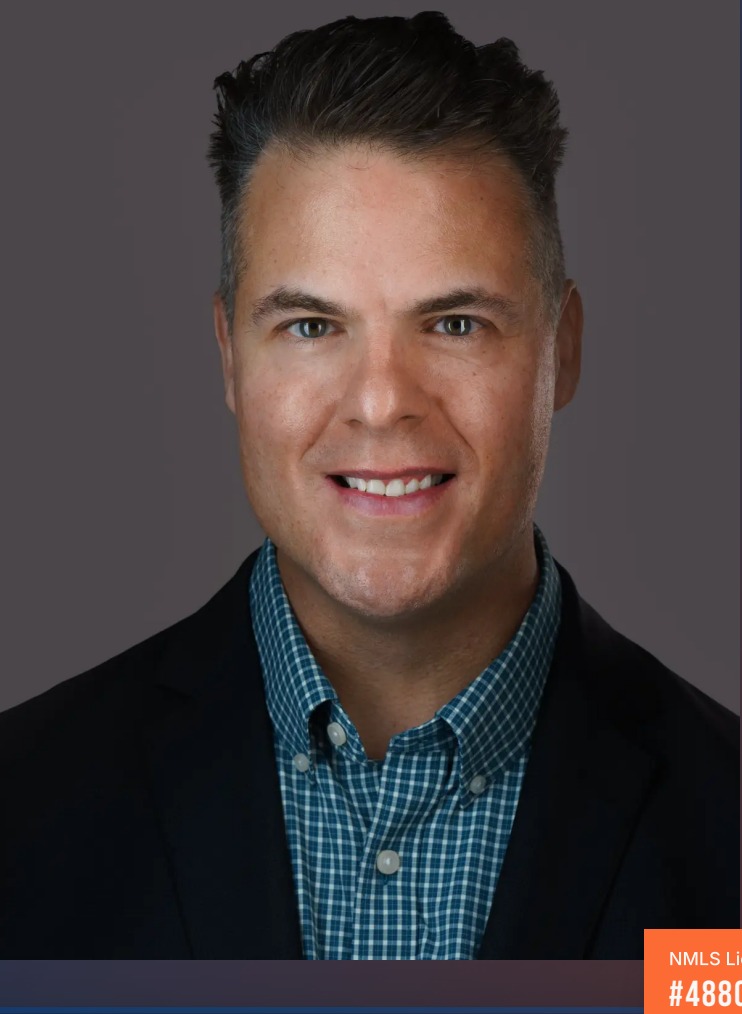
Keith Goeringer is a Loan Originator at Barrett Financial Group, NMLS #488023, serving buyers in Franklin, Williamson County, and Middle Tennessee. Call or text (615) 955-0461 or email keith@keithgo.com.
A planning meeting after your application and before you get serious about offers. We compare payment, cash to close, programs, and the tradeoffs behind each choice. It is not a commitment to lend.
The meeting is most useful after we have reviewed income, assets, and credit enough to talk in real numbers. You do not need a property yet. It is better if you do not.
No. We talk about how rates affect payment and when a lock becomes relevant. Nobody can honestly promise next month's rate. Compare Loan Estimates when you are choosing an offer, as the CFPB recommends.
A sense of monthly comfort, whether you have served, whether anyone is gifting, and the last time you looked at credit. Recent pay and asset info if we do not already have it.
Yes. That is the point. Side by side, on screen, including seller credits and mortgage insurance when they apply.
No new credit, no car, no furniture financing, no large undocumented deposits, no job changes without a conversation, no extra credit pulls. Call first.
Let's Talk
No forms. No waiting. One conversation can change everything.
More articles

You're Pre-Approved. Now What? A Simple Guide to Buying Your Home With Confidence
Pre-approval means you are ready to start shopping, not that your mortgage is finished. Strengthen the file with an Offer Ready Review, sit a Pre-Purchase Zoom, and do not change jobs, open credit, or move large deposits without asking first.
Read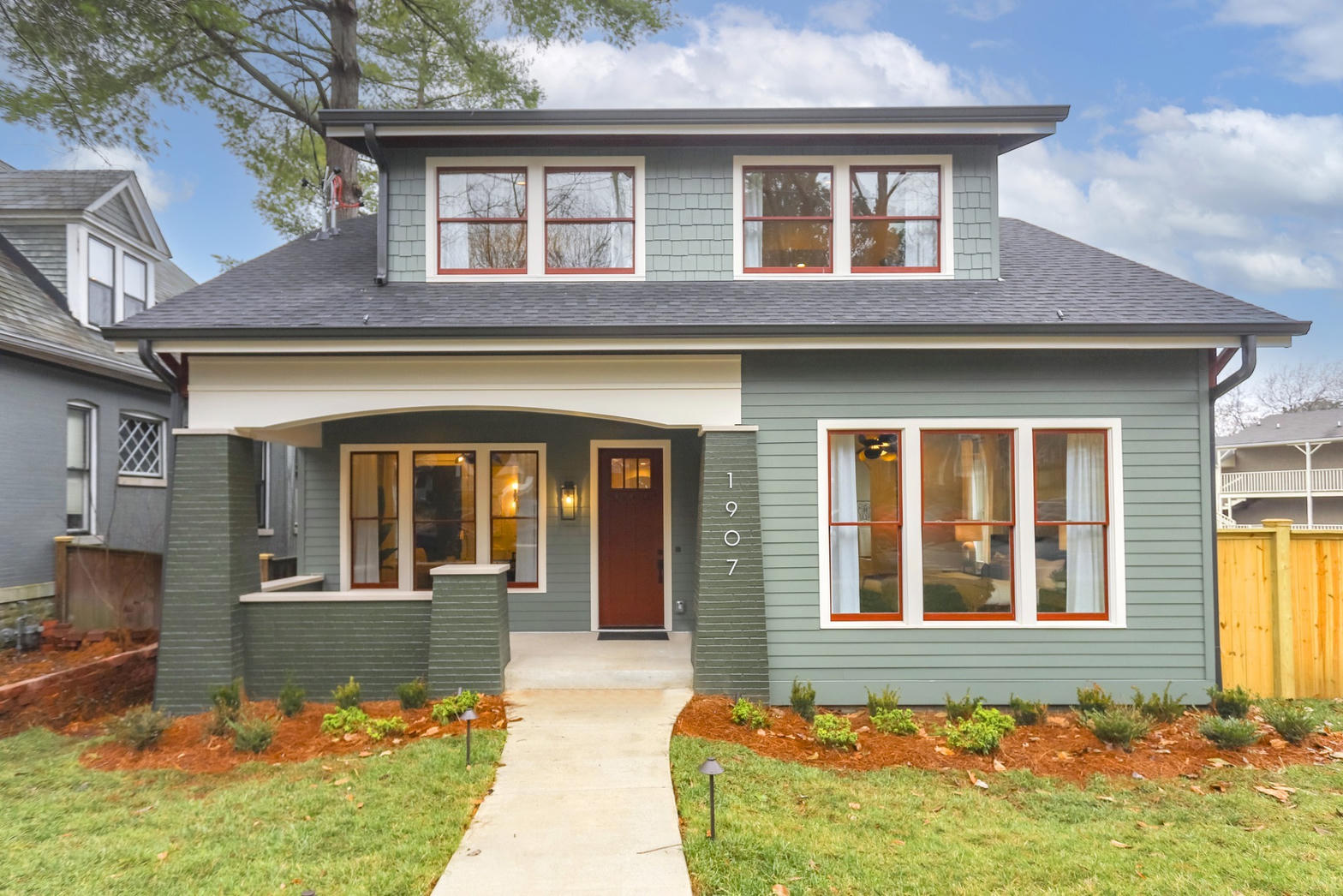
You're Under Contract. Now What?
Deadlines, processing, underwriting conditions, inspection, appraisal, insurance, and Clear to Close. Conditions are not a denial. Do not change jobs, open credit, or finance furniture before you sign.
Read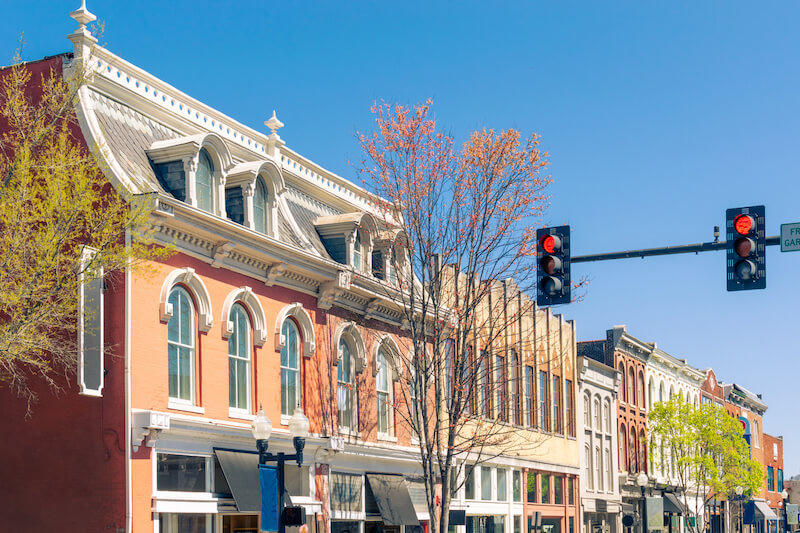
What It's Like Buying a Home in Franklin, TN: Neighborhoods, Prices, and What to Expect
Franklin sits about 21 miles south of Nashville in Williamson County. Median sale price around $925,000 on a rolling 12 months through June 2026. About 37% of homes go under contract in 6 days or fewer. Get fully pre-approved before you tour.
Read